Four building blocks in every world
Classroom, training floor, assessment centre or hiring round – every Axis world is built from the same four parts. That's why one engine covers them all.
Brief them inside the world.
Every world opens by teaching what people need to know – the concept, the procedure, the rules – delivered as beats along a path they travel, not a wall of slides they skim. A class meets the water cycle, a new hire meets the pre-flight checklist, a candidate meets the brief for the task ahead. Direct instruction stays direct. It just finally sticks.
- Each idea placed where it lives, its label pinned in view
- Paced beat by beat – lead it live, or let people walk it solo
- Reuse the decks, SOPs or briefs you already have – describe them, and Axis lays them out as beats
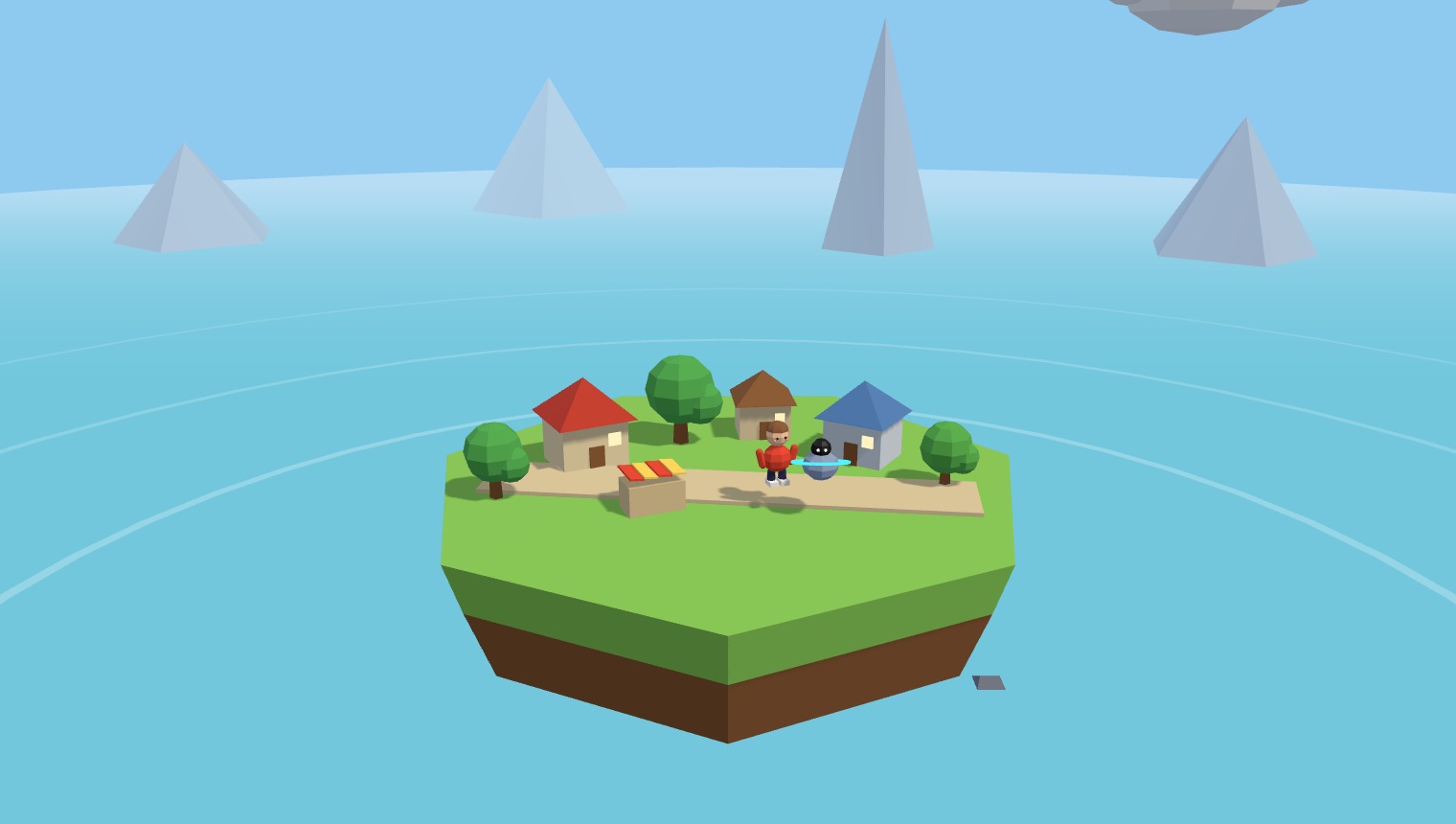 Briefing
How the whole thing fits together
Don't watch the demo. Grab the dials.
Playgrounds hand over the controls. People set the variables and the world answers in real time – tilt the ramp, mix the reactants, push the trolley across the apron, make the call. Nothing is a canned animation; everything responds.
- Live controls people manipulate, not a clip that plays the same twice
- Safe to fail – get it badly wrong, then reset, at zero real-world cost
- Rehearse the impossible: too small, too slow, too costly or too risky in real life
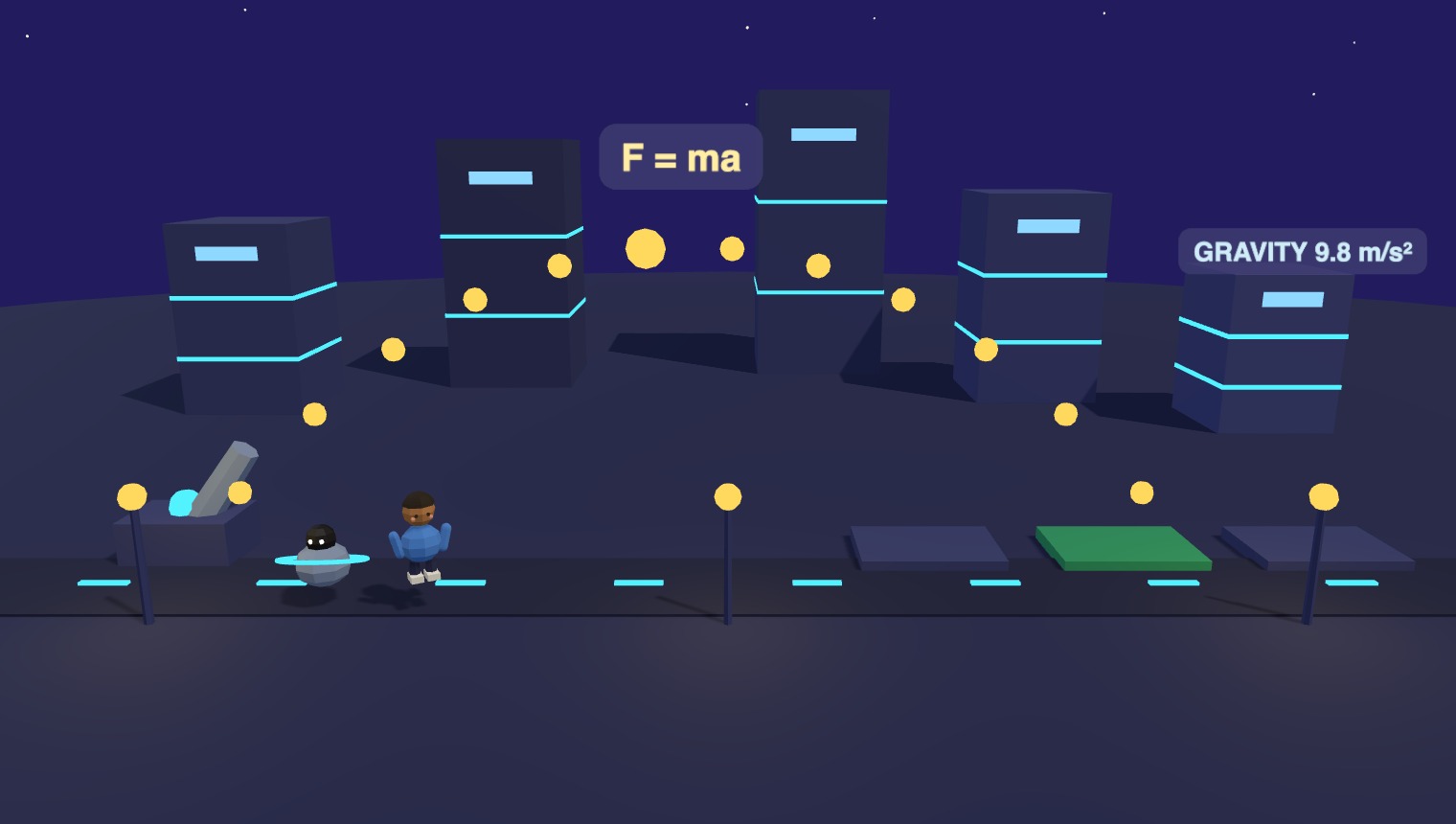 Playground
Prove it by doing it.
Checkpoints are the serious part: challenges answered by acting on the world, not by clicking A, B, C or D. A right answer means people can actually do the thing – balance the equation, sequence the procedure, handle the escalation. Everything is graded to mastery rather than speed, so careful-and-correct beats fast-and-lucky, and every result streams straight back to you.
- Answered by doing – recognising an answer isn't the same as being able to do it
- Scored on mastery per skill, never a speed leaderboard
- Auto-graded the instant it's solved – no manual scoring, no results to chase down
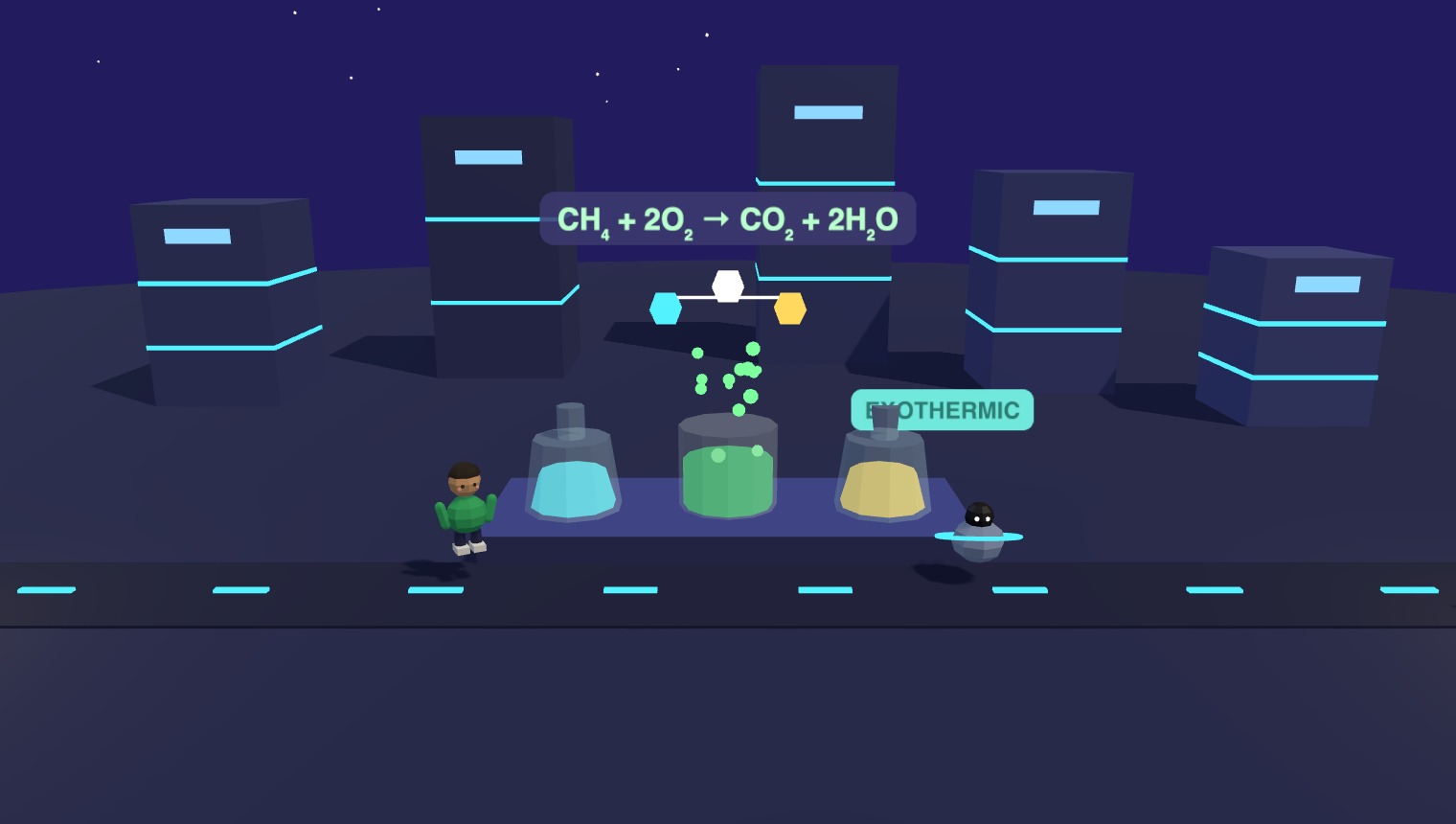 Checkpoint
The whole cohort, on one screen.
While people move through the world, Plots is where you watch it happen – who's active, who's ahead, who's stuck. And when someone stalls, Axis doesn't just count them – it flags where they likely went wrong, so you can see where to step in. A class, a training cohort, an assessment centre or a candidate pool – one dashboard shows who's mastered it, who needs a hand, and why, in plain language.
- Flags the why, not just the who – the likely gap, in plain words
- One live view per cohort – no spreadsheets to stitch together
- Act on it live: pause the world, or open the next gate
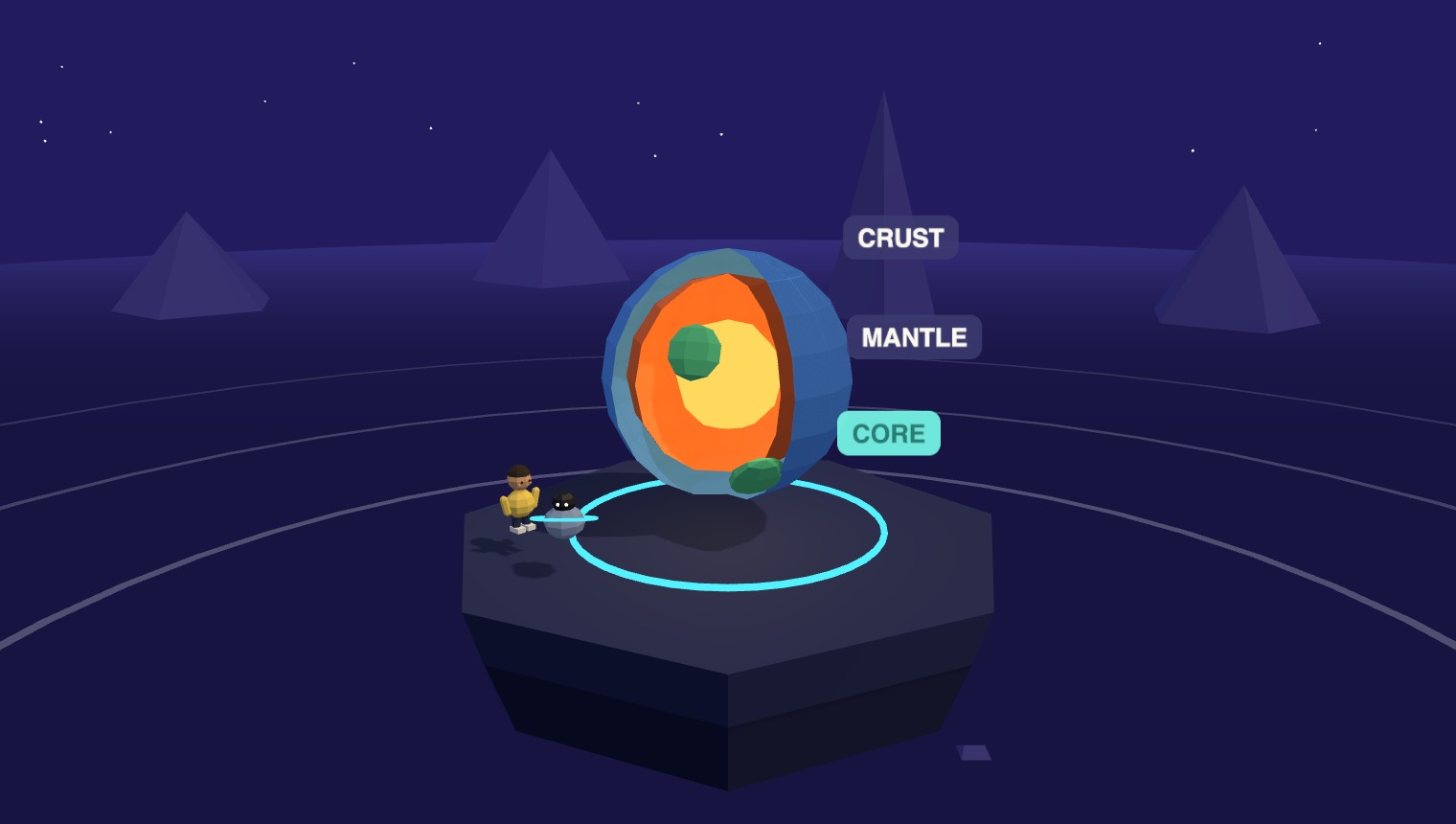 Plots
Plots